


Views: 0 Author: Site Editor Publish Time: 2026-04-22 Origin: Site


A road project often looks simple on paper until the question of traffic light pole size appears on the drawing. Many people expect one standard answer, but the real size depends on what the pole must carry, how wide the road is, and how clearly the signal must be seen. For intersections, access roads, and coordinated traffic systems, Hengtianyuan Lighting develops pole solutions that support safe visibility, stable structure, and long-term outdoor performance, which makes size a design decision rather than a number taken from a generic list.
The first step in deciding pole size is understanding the main mounted equipment. Vehicle signal heads create both weight and wind load, and those two factors directly influence the height, wall thickness, arm reach, and overall structure of the pole. A pole carrying a basic signal arrangement on a smaller road does not face the same demand as one installed at a broad multi-lane intersection.
This is why pole design starts with the signal equipment itself. Once the mounted signal heads become larger, more visible, or more numerous, the structural requirement changes with them. The pole is not only holding hardware. It is supporting a road safety system that must remain correctly aligned and clearly visible in daily use.
Many road projects require more than signal heads alone. Directional boards, warning signs, and lane guidance elements often share the same structure or affect the overall layout nearby. Every added sign changes the loading condition and may also influence how high the pole should be placed or how far an arm should extend.
On simple access roads this impact may be limited, but on busier intersections or urban corridors, combined traffic information can quickly make the pole design more demanding. That is why a true size decision should never be separated from the full mounted arrangement.
Modern road systems may also include pedestrian units, count-down displays, camera supports, monitoring devices, or additional brackets. These are not minor details. Each added element changes the way the pole performs in wind, affects balance, and influences the final structural design.
A project drawing that ignores these extras may produce a pole that looks correct in dimension but feels underplanned in real installation. Good design begins with the full mounted load, not just the main signal face.
Mounted Item | Effect on Pole Design | Why It Matters on Site |
Vehicle signal heads | Increases core structural load | Affects visibility and safe operation |
Directional signs | Adds weight and wind exposure | Changes pole balance and layout |
Pedestrian units | Requires extra mounting points | Supports crossing safety |
Brackets and arms | Extends structural reach | Influences stability and clearance |
Cameras or monitoring devices | Adds combined load | Requires cleaner integration |
A wider road usually demands more from a traffic pole. Drivers must be able to read the signal clearly from the correct approach distance, which means height and arm reach cannot be chosen in isolation. Lane count matters because more lanes often require broader coverage, stronger support, and more careful positioning.
Visibility distance matters just as much. If the signal is too low, poorly placed, or visually crowded, driver recognition becomes less reliable. If it is too high or not properly matched to the road width, the intersection may look awkward and less efficient. The right size is the one that supports clear viewing across the real traffic geometry of the site.
This is also where a lamp post street light environment can influence the design conversation. On roads where traffic poles sit near other vertical roadside elements, the structure must remain easy to identify and properly separated in the visual field.
A small internal road, a controlled factory entrance, and a major urban intersection should not be treated as if they need the same pole. The traffic pattern, lane arrangement, signal grouping, and roadside conditions are all different. A simple road may only need a direct and compact layout. A busy junction may require greater height, longer outreach, and stronger structural planning.
That is why one universal size rarely makes sense. A traffic light pole should respond to the demands of the intersection rather than force the intersection into a preselected dimension. This practical view is what turns a product into a reliable traffic solution.
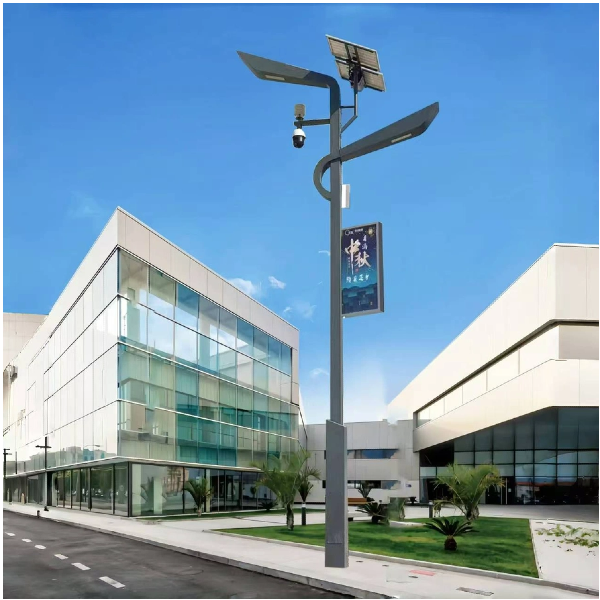
Height is often the first measurement people ask about, but it only makes sense together with reach. A pole may need to stand at a certain height to provide proper signal visibility, while the arm length must bring the mounted equipment into the right viewing position above the road. These two dimensions work together.
If the reach is too short, the signal may not sit where drivers need to see it. If the reach is too long without the right structural support, the system may face unnecessary stress. Good traffic pole design therefore comes from the road layout first, then translates that requirement into overall dimensions.
A pole installed for traffic control must remain stable and presentable through years of outdoor exposure. Rain, heat, moisture, dust, and pollution all affect long-term performance. Material quality and corrosion protection are not background issues. They are part of what makes the structure dependable over time.
For public roads and infrastructure projects, a short service life creates avoidable maintenance pressure and replacement cost. A well-fabricated pole with strong surface protection helps keep the system reliable in real outdoor conditions.
The visible part of the pole is only one side of the design. The lower section, including the base connection and foundation coordination, also affects what size is appropriate. A taller or more heavily loaded structure places greater demands on the supporting base. That is why size should never be chosen only from the above-ground view.
Project teams often focus first on what can be seen from the road, but long-term stability depends on how the full structure works together from top to bottom. A pole that appears correct in height but lacks the right support strategy is not truly the right size.
Wind is one of the most important real-world factors in traffic pole performance. Mounted signals, signs, and extra devices all increase wind exposure, and that can greatly affect the structural requirement. Roads in open zones, bridge approaches, coastal areas, or wide intersections often demand more careful planning.
Long-term stability matters because traffic operation relies on alignment. A pole that shifts, vibrates excessively, or loses clean positioning can weaken signal visibility and increase service needs. Size therefore has a direct relationship with safety, not just appearance or material usage.
Even when the design size is correct, poor fabrication can reduce the value of the whole system. Accurate production helps keep pole geometry, arm position, mounting compatibility, and final installation more precise. This is especially important in road projects where alignment affects how clearly signals are presented to approaching drivers.
A well-made pole also improves the visual order of the road environment. Intersections look cleaner, mounted equipment sits more consistently, and the finished installation feels better coordinated. That may sound like a small detail, but on public roads it contributes to both function and confidence.
Larger traffic projects usually require more than one structure. Once several poles are installed across a road system, consistency becomes essential. Dimensions, finish, mounting position, and structural quality should remain stable across the project so that the site performs as a coordinated whole.
This is where Hengtianyuan Lighting fits naturally into the topic. The company produces traffic sign poles and related outdoor steel structures for road applications that need durability, standardized mounting compatibility, and dependable project delivery. For buyers planning multiple poles across one site or across repeated road sections, consistency often matters as much as the design of any single unit.
The right Traffic Sign Poles solution is sized from the mounted load, road condition, and visibility requirement outward, not from one fixed number taken from a catalog. Signal heads, added signage, extra devices, road width, wind exposure, and structural support all influence the final answer. Hengtianyuan Lighting helps road and infrastructure projects match pole design to actual site conditions so the finished system performs safely and stays reliable over time. If you are planning a traffic control or roadside structure project, contact us to discuss the right pole configuration for your application.
No. Traffic light pole size depends on mounted equipment, road width, lane count, visibility needs, and environmental conditions.
Because signal heads, signs, brackets, and extra devices all add weight and wind load, which directly change structural requirements.
Not always, but wider roads often require different height and arm reach so that the signal can be seen clearly from the correct approach angle and distance.
Because accurate fabrication supports better alignment, cleaner installation, and more consistent performance across the full road system.


