


Views: 0 Author: Site Editor Publish Time: 2026-04-15 Origin: Site


A dark entrance, an uneven driveway, or a path that disappears after sunset can quickly change how a property feels and functions. That is why a house street lamp should be judged by more than appearance alone. For residential roads, villa compounds, gated communities, and shared outdoor spaces, the right lighting needs to improve visibility, support the character of the property, and stay practical to manage over time. Hengtianyuan Lighting develops outdoor lighting solutions with that balance in mind, helping projects move beyond simple decorative lighting toward smarter and more reliable street light systems.
The entrance is usually the first place where outdoor lighting is judged. It shapes the first impression of the property, but it also serves a practical purpose. Residents, guests, and vehicles all need clear visibility when entering or leaving after dark. If the lamp is too dim, the gate feels less secure. If it is too harsh, the space can look uncomfortable and overly exposed.
A good house street lamp in this area should provide clear guidance without dominating the entrance visually. The light should work with the gate, boundary wall, and overall style of the property. In residential projects, this is where fixture design matters almost as much as light output. The entrance should feel clean, welcoming, and controlled.
Internal roads and driveway edges need a different approach. The lighting should support slow vehicle movement and safe walking without creating glare. This is especially important in villa compounds, townhouse projects, and managed residential developments where the road space is shared by cars, bicycles, and pedestrians.
Instead of relying on a few overly bright fixtures, a more even street light layout often gives better results. Good spacing reduces dark patches and makes the property feel more orderly at night. When the lamp placement is correct, the road becomes easier to navigate and the environment feels more refined.
Paths and garden walkways usually need softer lighting than vehicle routes. The goal is not to flood the area with brightness, but to make movement easier and the space more pleasant to use. A lower-intensity layout often works better here, especially when people are walking, talking, or relaxing nearby.
This is one reason smart lighting matters. Different parts of the same property often need different levels of illumination. A house street lamp should fit the actual use of the zone instead of applying the same lighting logic everywhere.
Area | Main Purpose | Preferred Light Character | Smart Feature Worth Adding |
Front gate | Arrival visibility and property image | Clear and welcoming | Scheduled brightness |
Internal lane | Safer movement for cars and people | Even and controlled | Remote group control |
Driveway edge | Guidance without glare | Focused and practical | Motion response |
Garden path | Comfortable walking light | Soft and balanced | Late-night dimming |
Shared outdoor zone | Daily usability and security | Stable and adaptable | Fault alerts |
Many outdoor lighting problems come from poor height and spacing rather than weak fixtures. If poles are too far apart, the result is uneven lighting with obvious dark areas. If they are too close or too tall for the space, the property can look crowded and overlit.
For residential environments, the right pole height helps the light spread naturally and keeps the layout visually clean. A lamp that suits a main road may not suit a villa entrance or an internal lane. The scale of the property should always guide the layout. Good residential lighting feels intentional, not excessive.
Proper spacing also improves the value of the installation over time. A well-planned layout often needs fewer corrections later, which means less adjustment, less complaint, and a better user experience for residents or property managers.
Brightness alone does not decide whether a lamp feels right. Light color shapes how the space looks and how comfortable it feels. Warmer light usually creates a softer atmosphere that suits entrances, landscaped areas, and quieter residential settings. Neutral light often works well where both comfort and visibility matter. Cooler tones may appear brighter, but they are not always the best choice for shared living environments.
For a house street lamp, comfort matters because people experience the light at close range. They walk under it, look toward it, and live around it every day. The best result is usually a balance between visibility and visual comfort rather than maximum intensity.
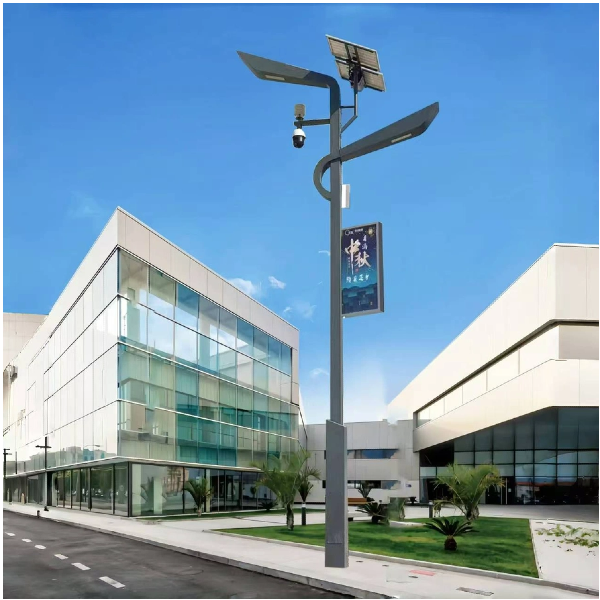
A residential property does not use outdoor space the same way at every hour of the night. Early evening may require stronger lighting for arrivals, parking, or regular movement. Late at night, that same output may no longer be necessary. Scheduled dimming allows the street light to stay useful while reducing unnecessary brightness and energy use.
This approach is especially valuable in communities and compounds that want a tidy, modern lighting standard without wasting power. It also helps create a calmer environment during quieter hours.
Gates, driveway entries, and parking zones often have irregular activity. Full brightness all night is not always the best answer. Motion response allows the light to react when needed, which can improve both efficiency and convenience.
For residential use, this feature should feel practical rather than technical. People simply want lighting that responds well to real activity. A lamp that brightens when someone approaches an entrance or walks through a parking area can make the property feel more attentive and easier to use.
The bigger the property, the more valuable smart management becomes. In campuses, villa communities, shared residential projects, and managed compounds, manual control quickly becomes inefficient. Remote scheduling, grouped control, and fault alerts make daily operation much easier.
This is where smart street lighting moves beyond the idea of a single lamp and becomes part of a better-managed outdoor environment. Instead of treating every pole as a separate unit, managers can handle the system more efficiently and keep lighting standards more consistent across the property.
A lamp may look attractive in a product photo, but outdoor performance depends on structure and protection. Residential lighting still faces rain, dust, heat, and long exposure to weather. That is why material quality, IP rating, and corrosion resistance should be checked carefully.
This matters even more for entrance zones, driveway edges, and landscaped areas where the fixture is expected to maintain both function and appearance over time. A durable product reduces maintenance pressure and helps the property look well kept.
First-glance brightness can be misleading. A better question is how efficiently the lamp uses power and how long it can maintain stable performance. LED efficiency affects operating cost, while service life affects maintenance frequency and replacement planning.
For property owners and project managers, these factors often matter more than a high initial output figure. The best house street lamp is one that performs steadily over time without becoming expensive to maintain.
The fixture and the pole should work together visually. In residential projects, outdoor lighting is part of the property image. A poorly matched pole can make the space look awkward even if the light source itself performs well.
This is why custom pole design can be important for communities, villa projects, and managed residential environments. The lighting should serve the space, not fight against it.
The value of smart lighting becomes clearer when viewed at the level of daily life. A property entrance needs welcoming light. An internal lane needs safe visibility. A shared path needs comfort rather than glare. These are practical needs, and they call for a lighting system that can do more than stay on all night at one fixed level.
Hengtianyuan Lighting develops smart street lighting for outdoor environments where function, durability, and better control all matter. That makes this type of product especially suitable for modern communities, campuses, villa compounds, and shared-access properties that want a cleaner and more manageable lighting standard.
A successful lighting plan improves more than brightness. It changes how a property feels after dark. Roads become easier to use, entrances look more complete, and shared spaces feel more organized. That is why the buying decision should focus on fit, comfort, efficiency, and long-term management rather than on brightness alone.
For many projects, the real value lies in choosing a system that works well every day and remains easy to operate as the property grows or changes.
The best Smart Streetlights solution for a residential property is not simply the brightest lamp on the page. A strong house street lamp should match the entrance, road, or path it serves, provide stable visibility, and remain easy to manage in daily use. From gated communities to villa compounds and shared outdoor areas, Hengtianyuan Lighting supports projects that need practical, well-designed lighting with smarter control options and durable outdoor performance. If you are planning a residential road or outdoor lighting upgrade, contact us to discuss the right solution for your project.
A suitable house street lamp should provide even visibility, low glare, durable outdoor performance, and a design that matches the property style. It should also be easy to manage over time.
Yes. Even in smaller projects, features such as dimming schedules and motion response can improve comfort, reduce unnecessary energy use, and make the lighting feel more practical.
That depends on the area. Warmer light is often better for entrances and landscaped zones, while neutral light is a strong option for internal lanes and shared outdoor paths.
Because the pole affects both appearance and performance. The right pole height, spacing, and style help the lighting look balanced and work better across the property.


